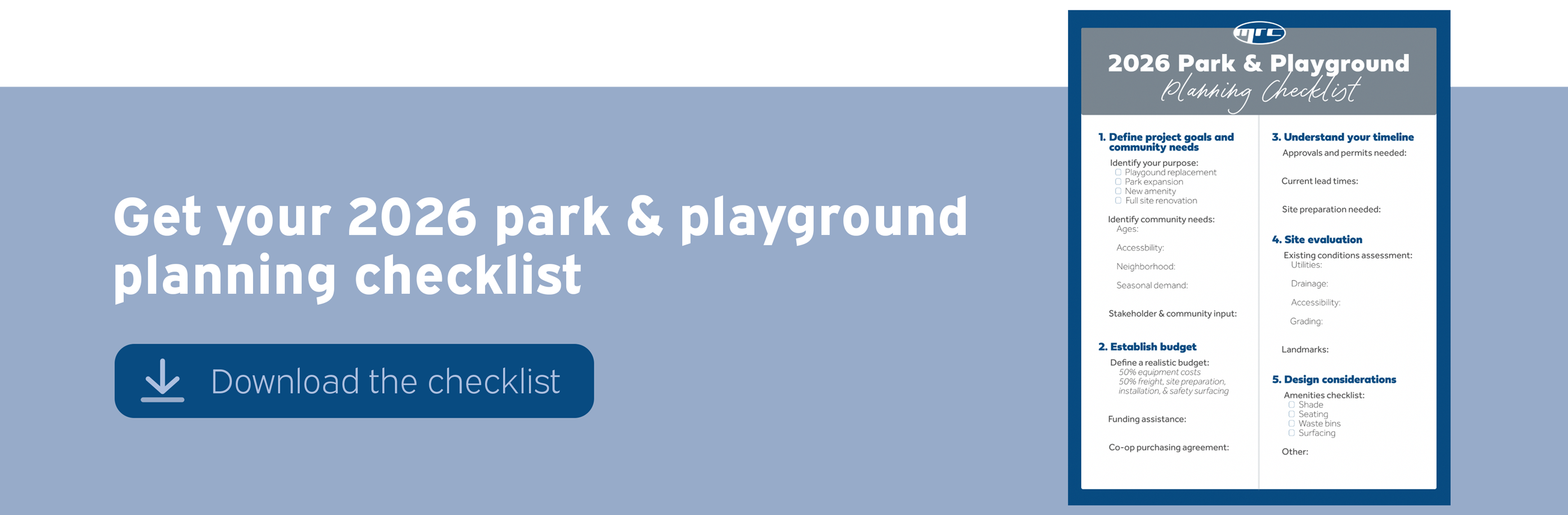
With a new year underway, park and playground project ideas are already cropping up and garnering excitement. While we love talking designs and creative potential, we also want to ensure we can set reachable goals and develop realistic timelines. It’s important to be understand what a full project timeline really looks like, from initial ideas to installations and grand openings. Properly planning begins long before construction and can be full of challenges like budget cycles, approvals, grants, and long lead times. That’s why we wanted to provide a park and playground planning checklist as a practical tool to help communities plan smarter, avoid delays, and stay on budget. Read on to see the 7 steps in our park and playground planning checklist and download your own copy!


Step 1: Define Project Goals and Community Needs

  • Identify the purpose of your project. Are you undergoing a playground replacement, park expansion, new amenity, or full site renovation?
  • Consider who the space is serving: What does the community look like, and who will be using the space? Consider different age groups, accessibility needs, neighborhood use, and seasonal demand.
  • Seek stakeholder and community input.

Stakeholder input at this early stage in the process is key. Include staff, residents, and community groups in defining your project’s goals.


Learn more: How to Prepare for Your Playground Consultation


Step 2: Establish Budget Parameters Early

  • Define a realistic budget before design begins so you can better gauge what design choices are possible.
  • Plan for more than just playground equipment when it comes to your budget. Only 40-60% of your total budget will go to equipment, while the rest will be used to cover freight, site preparation, installation, and safety surfacing.
  • Consider funding assistance and co-op purchasing.

Don’t fret, you’re not alone! There are so many resources to help with funding, including capital budgets, grants, donations, and phased development. Our partners at GameTime even have their own funding tool, and we’re always here to help advise on funding efforts. Co-op purchasing agreements might be a good option for you. They allow state and public organizations to skip the typical bidding process and acquire high quality products at pre-bid discounted prices.
 

Learn more: Purchasing Co-Ops

download-graphic


Step 3: Understand Your Project Timeline

Typical timelines for park and playground projects vary depending on the complexity of the site and the size of the design. That being said, there are a few things you can plan for to estimate your anticipated schedule.

  • Check with your local government to determine what approvals and permits you need, and how long it will take to obtain those.
  • Check with your project team about manufacturing schedules. Ask your playground designer what the current lead times are.
  • Consider site preparation for your desired location and how that may affect schedules.

Now, being the beginning of a new year, is a great time to start considering your project timelines. Winter is an ideal planning window for spring and summer construction.


Learn more: How Long it Takes to Build an Outdoor Public Playground


Step 4: Site Evaluation and Readiness

  • Assess existing conditions including utilities, drainage, accessibility, and grading. If you’re already working with a playground designer, they can assist you in site evaluation.
  • Are there any important ecological or historic landmarks onsite? Identify constraints such as tree preservation, historic considerations, or environmental requirements.

Early site evaluation helps avoid costly surprises later. By mapping out the layout and contents of your site, you can better prepare your timeline and budget.


Step 5: Design With Longevity and Maintenance in Mind

Now, on to the fun part! Choosing equipment is the exciting part of the process where we can finally get creative together.

  • Choose materials that support durability and low maintenance.
  • Make design considerations for comfort and accessibility, like shade, seating, and surfacing.
  • Consider the circulation of your play area. Work with your playground designer to create a layout that has a cohesive movement and room for natural flow of traffic.
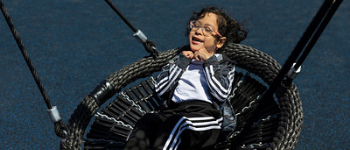
  • Consider inclusive design options, National Demonstration Sites, and other equipment choices that go above and beyond traditional playgrounds.

Short-term trends pop up and provide exciting new ideas that sometimes turn into long-lasting playground design features. We love to get innovative, but we also believe in the importance of designing for long-term use and will always recommend more durable options over trendy choices.


Learn more: 8 Tips for Designing a Playground


Step 6: Installation, Scheduling, and Communication

  • Coordinate installation times with school calendars, seasonal use, and community events to ensure installation is a breeze.
  • Communicate with your project team and community. It’s important to keep in communication with internal teams and the public during construction. Your playground designer can advise you on the best ways to keep everyone informed.
  • When setting expectations for opening timelines, consider delays and unexpected circumstances that could pop up. Be sure to give yourself enough time prior to opening to ensure the installation goes smoothly.


Step 7: Planning Beyond the Playground

  • Depending on the goal and scope of your project, you may need to think holistically about site amenities, surfacing, shade, and future expansion.
  • Consider if phased planning is right for your project. Phased projects are broken down into smaller phases, each with specific goals, deliverables, and timelines. This can help stretch budgets while maintaining a cohesive vision.

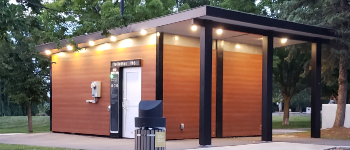
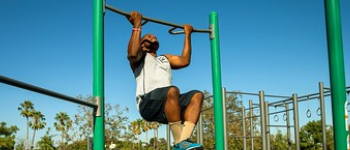
At MRC Recreation, we pride ourselves as a partner that supports long-term park planning, not just single projects. Ask us about community renovations that extend beyond playgrounds and cover leisure areas, outdoor public gyms, streetscapes, and self-cleaning restroom needs.


A Smarter Way to Plan for 2026

If we wanted you to walk away from this blog with one take away, it would be to start as early as possible! Early planning leads to smoother projects, better budgets, and stronger community outcomes. As soon as you can, get an experienced partner involved in the project. Their support will ensure you define your project’s budget, timeline, and goals are planned seamlessly.


Even if a project is in its first days of conception, we want to hear about it! Talk to our team about planning timelines and budgets and start building a clear path toward your 2026 park or playground project.

download-graphic