The Top Piece of Equipment for Parents to Connect with Their Kids on the Playground
Oct 25



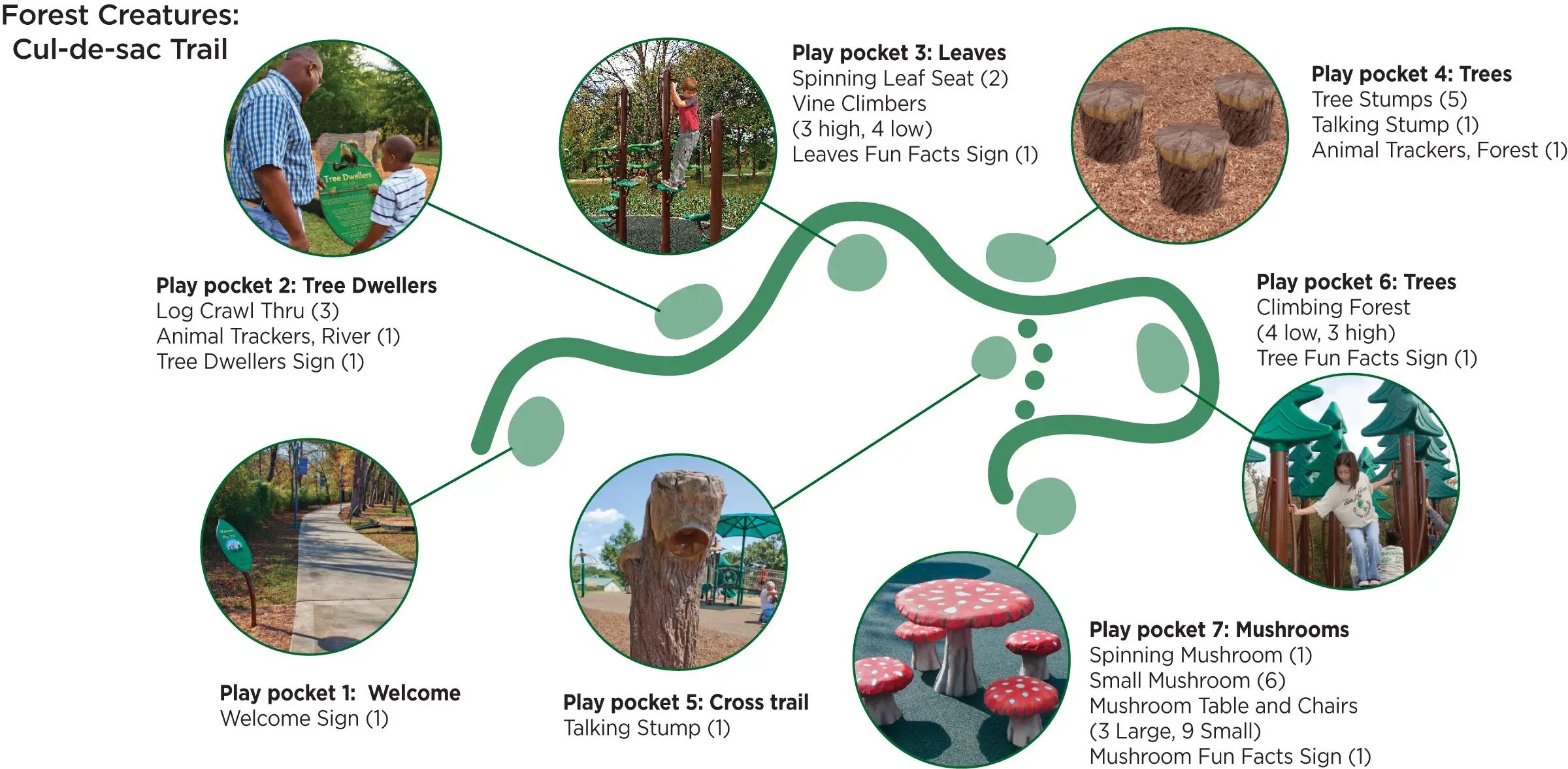
Creating engaging outdoor spaces is becoming increasingly important. Families are looking for outdoor opportunities that allow for both healthy exercise and genuine connection with each other and nature. Here in the U.S., we are surrounded by trail systems, but the numbers of children and families using them is decreasing. Trail systems, traditionally, are designed primarily for walking, running, and biking, but not necessarily for family engagement. That’s where play pockets or play trails can make a huge difference! Through incorporating small pockets for play and learning along a trail, you can create a one-of-a-kind outdoor experience. The intentional integration of discovery encourages more active use of trails, and there’s science to back this up. Keep reading to learn all about creating playful pathways.
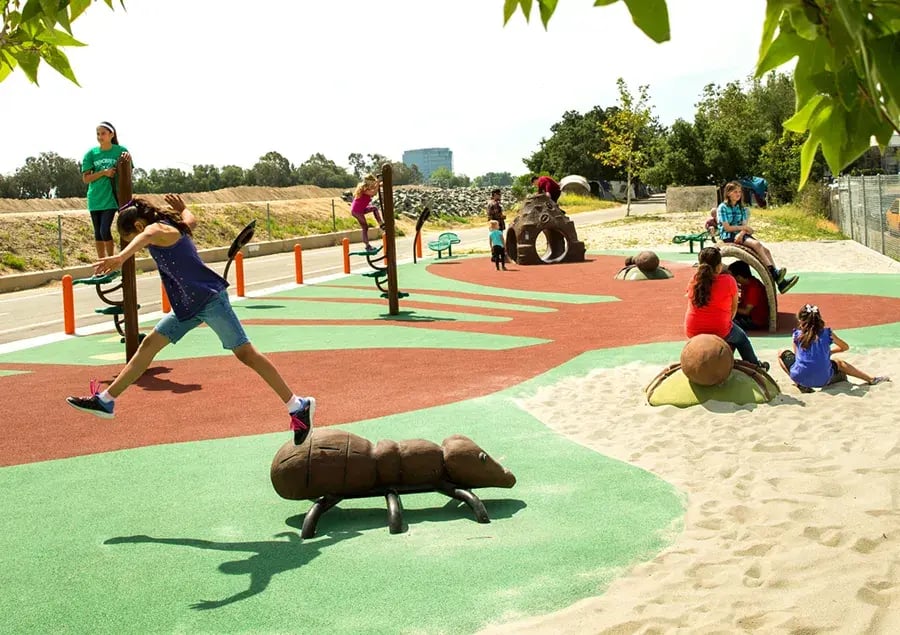
At MRC Recreation, we’re proud to offer an evidence-based Pathways for Play design program to provide an opportunity to focus on kids’ enjoyment of trails. The program was developed by our partners at PlayCore in collaboration with American Trails and the College of Design at N.C. State University. Because of their dedicated research, creating your own playful pathway is relatively simple. Play activities are grouped by theme (i.e. ants, bees, trees, or leaves) and installed in ‘play pockets’ for families to explore as they walk along a path or trail. Equipment can be configured to work with new or existing paths, trails, or greenways.
New research supports how infusing play along trails can dramatically increase the frequency and duration of pathway use by children and families. We’ve turned this research into practice with our educational guide to help communities plan, design, and promote playful pathways. Click the link below to download your copy and see more information from our partners at PlayCore.
The benefits of playful pathways are unique and significant, as discovered through our partners’ research:
To motivate children, families, and youth organizations to get outdoors and engage in healthy, stimulating activity in natural surroundings, the Pathways for Play strategy is driven by five best practice design principles:
There are a multitude of options when choosing equipment for your play pockets. Our partners’ research has informed a line of equipment specifically for Pathways for Play, called Play Trails. Play Trails comes with educational signage and activity programs, so you can make the most use out of your play pockets. Depending on how your pathway comes together, you may also be eligible for a National Demonstration Site. However, you’re not limited to Play Trails equipment when creating amazing play pockets. Some more examples of applicable equipment include:
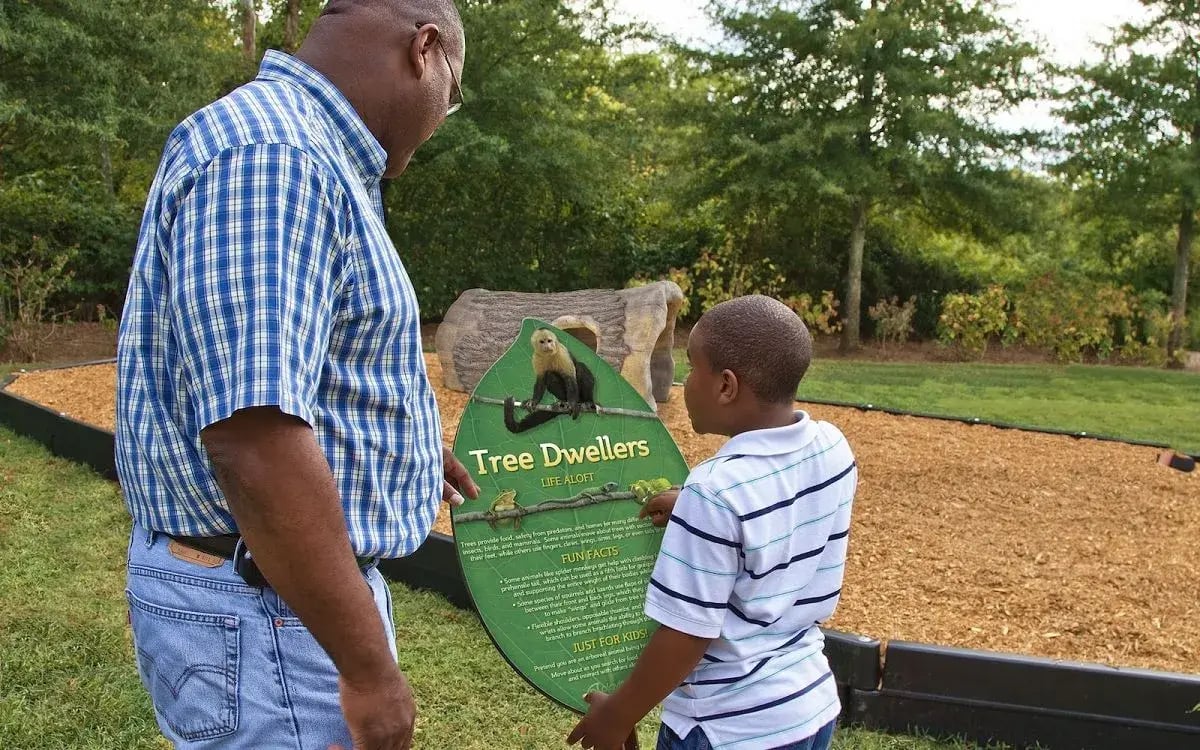
Chattanooga has chosen to invest in outdoor recreation across their riverfront, successfully fostering pride from local residents and reconnecting members of the community with nature, all while fueling economic development. Across South Chickamauga Creek Trail at Riverpoint Park, the city created play pockets in sustainable locations with help from the local Parks and Recreation Departments. The park overlooks the Tennessee River, and is a prominent destination for cyclists and walkers, school groups, families, and individuals seeking an urban park experience for play, exercise, and relaxation. The installed play pockets focus on environmental education, providing facts about the natural world alongside playful activities. You can see more about this project on PlayCore’s website: Pathways for Play Case Study @ Riverpoint Park, Chattanooga, Tenn.
With playful pathways, the journey is a huge part of the play experience. The winding road does more than just connect locations; it encourages movement, strengthens communities, and makes outdoor experiences more engaging for families. Pathways for Play provides a unique strategy for parks, greenways, campuses, and neighborhoods, making activity and connection with nature easy and incredible. Connect with our team to explore how Pathways for Play and connected park systems can bring more activity, discovery, and community engagement to your next project.